
Hiking with your dog is one of the best things you can do together outdoors. But doing it well takes a bit more than snapping on a leash. Here is everything you need to know before you hit the trail.
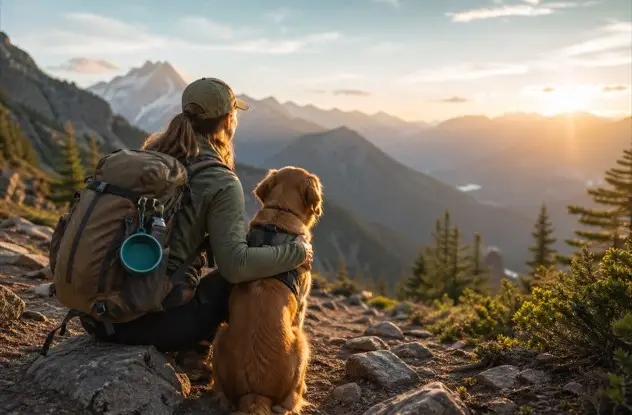
There is something hard to put into words about watching your dog discover a trail for the first time. The nose goes into overdrive, the ears perk up, and that tail wags with a kind of pure joy that no neighbourhood walk ever quite produces. If you are an outdoor person who loves your dog, sharing the trails together is a natural fit. But getting it right requires preparation, and the right tips for hiking with your dog make the difference between a genuinely great day out and an exhausting, stressful one. This guide covers everything from getting your dog trail-ready to what to pack, how to stay safe, and how to be a respectful trail citizen along the way.
7 Tips for Hiking with Your Dog:
- 1. Make sure your dog is ready
- 2. Build Fitness
- 3. Research Your Trail Before You Leave Home
- 4. Decide what to pack
- 5. Leash Etiquette and Respecting Other Trail Users
- 6. Hazards to Watch For on the Trail
- 7. The Post-Hike Routine That Protects Your Dog
01. Make Sure Your Dog Is Actually Ready for the Trail
The first and most important of all tips for hiking with your dog is an honest assessment of whether your dog is physically suited for the hike you have in mind. Not every dog is built for long distances or demanding terrain, and breed, age, and overall health all play a significant role. Short-legged breeds like dachshunds and bulldogs often struggle on challenging routes. Flat-faced breeds overheat more easily. Very large breeds prone to joint problems need careful management on steep descents.
Puppies under twelve months should generally be left at home. Strenuous hiking before a dog’s growth plates have closed can cause lasting joint damage that affects them for life. On the other end, senior dogs with arthritis or reduced mobility need shorter, flatter trails that will not leave them sore for days afterward. Before starting any hiking routine with your dog, schedule a vet visit. Your vet can assess your dog’s fitness, confirm vaccinations are current, recommend flea and tick prevention that suits your region, and flag anything in their health history that should shape how you approach trail hiking together.
02. Build Fitness Gradually Before the Big Hike
One of the most practical tips for hiking with your dog is treating trail fitness as something that gets built over time rather than assumed from the start. Just as you would not walk straight into a 12-mile mountain hike without training, your dog needs the same gradual progression. Start with 90-minute round trips on easy, flat terrain and pay attention to how your dog looks and moves in the final stretch. If they are still eager and energetic when you finish, they are ready for more. If they are dragging or slowing significantly, you have found their current limit and that is exactly where training begins.
Increase distance in manageable steps and do the same with elevation. Building endurance over several weeks before tackling your target hike prevents injury, makes the whole experience more enjoyable, and gives you a clear picture of what your dog can genuinely handle. The time you spend on shorter conditioning hikes pays off significantly on the longer routes you work toward together.
03. Research Your Trail Before You Leave Home
Not all trails welcome dogs, and arriving at a trailhead to find your dog is not permitted is a frustrating and avoidable situation. National parks, state parks, and local reserves each have their own rules. Some permit dogs in parking areas and campgrounds but not on the trails themselves. Others are fully dog-friendly with a six-foot leash requirement. Apps like AllTrails let you filter specifically for dog-friendly routes and include reviews from other dog owners about the trail conditions and any practical considerations worth knowing. Bring Fido and Hike With Your Dog are also useful resources for more detailed guidance by location.
When you are choosing a trail, factor in shade coverage, the availability of water features along the route, and whether the terrain is appropriate for your specific dog. A trail rated moderate for a fit human hiker may be quite demanding for a smaller or older dog. Starting with easy, shaded routes and building up to more exposed or difficult terrain as your dog’s fitness develops is always the smarter approach.
04. What to Pack for a Dog-Friendly Hike
Packing smart is one of the most actionable tips for hiking with your dog, and the essentials are not complicated. Fresh water and a collapsible bowl are non-negotiable. Dogs cannot sweat and rely on panting to cool themselves, which makes them far more vulnerable to overheating than humans on the same trail. Offer water every 15 to 30 minutes and carry more than you think you will need. Never rely on streams or standing water sources on the trail, as these can carry Giardia, Leptospirosis, and other pathogens that can make your dog seriously ill.
A sturdy non-retractable leash no longer than six feet is essential for trail control. Retractable leads offer poor management on narrow or busy paths and can tangle dangerously on uneven ground. Pack extra food because your dog burns considerably more calories hiking than on a standard walk, and bring enough poop bags to handle the day, then pack them out when you leave. A basic dog-specific first aid kit including bandaging material, tweezers for tick removal, and antiseptic wipes rounds out the core kit. For longer routes or backcountry trips, a well-fitted dog pack lets your dog carry their own water and food, keeping the load around ten percent of their body weight for comfort and safety. If you are just getting started and are not sure where to begin with equipment, our full beginner guide to first time hiking with your dog covers a complete starter gear list in detail.
Quick gear checklist
- Fresh water and collapsible bowl
- sturdy 6-foot leash and harness
- extra food and high-value treats
- poop bags
- dog first aid kit
- current ID tags
- microchip confirmation
- paw protection wax for rough terrain
- And a dog pack for hikes over three hours.
05. Leash Etiquette and Respecting Other Trail Users
The tips for hiking with your dog extend beyond your own dog’s wellbeing to how you show up for everyone else on the trail. Keep your dog on leash unless you are in a designated off-leash area and your dog has solid verbal recall in every situation. An off-leash dog that approaches a nervous hiker, provokes a reactive dog, or disappears into the brush after a scent can turn a peaceful trail into a tense situation very quickly. Leash rules exist for good reasons and following them makes the trail better for everyone.
Step off the trail and move your dog to your side when other hikers, cyclists, or horses are passing. Give uphill hikers the right of way. Always pick up and pack out your dog’s waste rather than leaving filled bags on the trail for later collection, which is a common frustration for other trail users and park rangers alike. Dog waste introduces bacteria and parasites into the surrounding ecosystem, so proper disposal genuinely matters beyond just appearances.
“The trail belongs to every person and animal using it. How you and your dog show up shapes the experience for all of them.”
06. Hazards to Watch For on the Trail
Knowing the hazards is one of the most important tips for hiking with your dog because dogs do not signal discomfort the way humans do. They push through pain and fatigue, which means you have to pay close attention to behavioural cues. Excessive panting beyond what the level of exertion would explain, slowing down significantly, seeking shade and refusing to continue, drooling heavily, or looking glassy-eyed are all signs that your dog is struggling. Stop immediately, find shade, offer water, and allow time to rest. If symptoms do not improve quickly, head back. Heat stroke in dogs is a genuine emergency.
Ticks are another persistent hazard across most hiking regions and many seasons. Run your dog on a year-round flea and tick preventative and do a thorough tick check after every hike, paying close attention between the toes, under the armpits, inside the ears, and at the base of the tail. Poisonous plants, foxtail seeds that can burrow into skin or nostrils, and wildlife encounters are all worth being aware of depending on where you are hiking. Keeping your dog on the trail and on leash is the most effective way to reduce exposure to most of these risks.
07. The Post-Hike Routine That Protects Your Dog
Many people finish a hike, load the dog in the car, and consider the job done. But a proper post-hike routine is one of the most overlooked tips for hiking with your dog and it genuinely matters. When you get back, do a full physical check from nose to tail. Look for cuts, burrs, thorns, and foxtail seeds embedded in the coat. Check paw pads for cracking, bleeding, or debris and rinse them with clean water if the trail was dusty or muddy. Offer plenty of fresh water and plan a slightly larger evening meal to support recovery.
If your dog seems unusually stiff or sore the following day, a lighter walk or a rest day is sensible. Any soreness that lingers beyond 48 hours is worth a vet call. The more consistently you do this post-hike check, the easier it becomes to spot small issues before they turn into bigger problems and the more confidently you can plan your next adventure together.
For more detailed guidance, you can check these hiking with dogs safety tips before planning your trip.
Final Thoughts: Start Small, Go Often, Enjoy Every Mile
The best tips for hiking with your dog all come back to one core idea: preparation and attentiveness make everything easier. Talk to your vet, choose a trail that matches your dog’s current fitness, pack what you genuinely need, keep the leash on, watch your dog closely on the trail, and do the post-hike check when you get home. Build the distance and difficulty gradually, and the hikes you can share together will grow in ambition and reward over time.
Every trail you finish together adds to the trust and bond between you. So start simple, go often, and let the mountains, forests, and open trails do the rest. Your dog is already ready to go. Are you?